
Charter Tax Consulting Ltd
Spring Statement
23 March 2022
Client Summary Note
Introduction
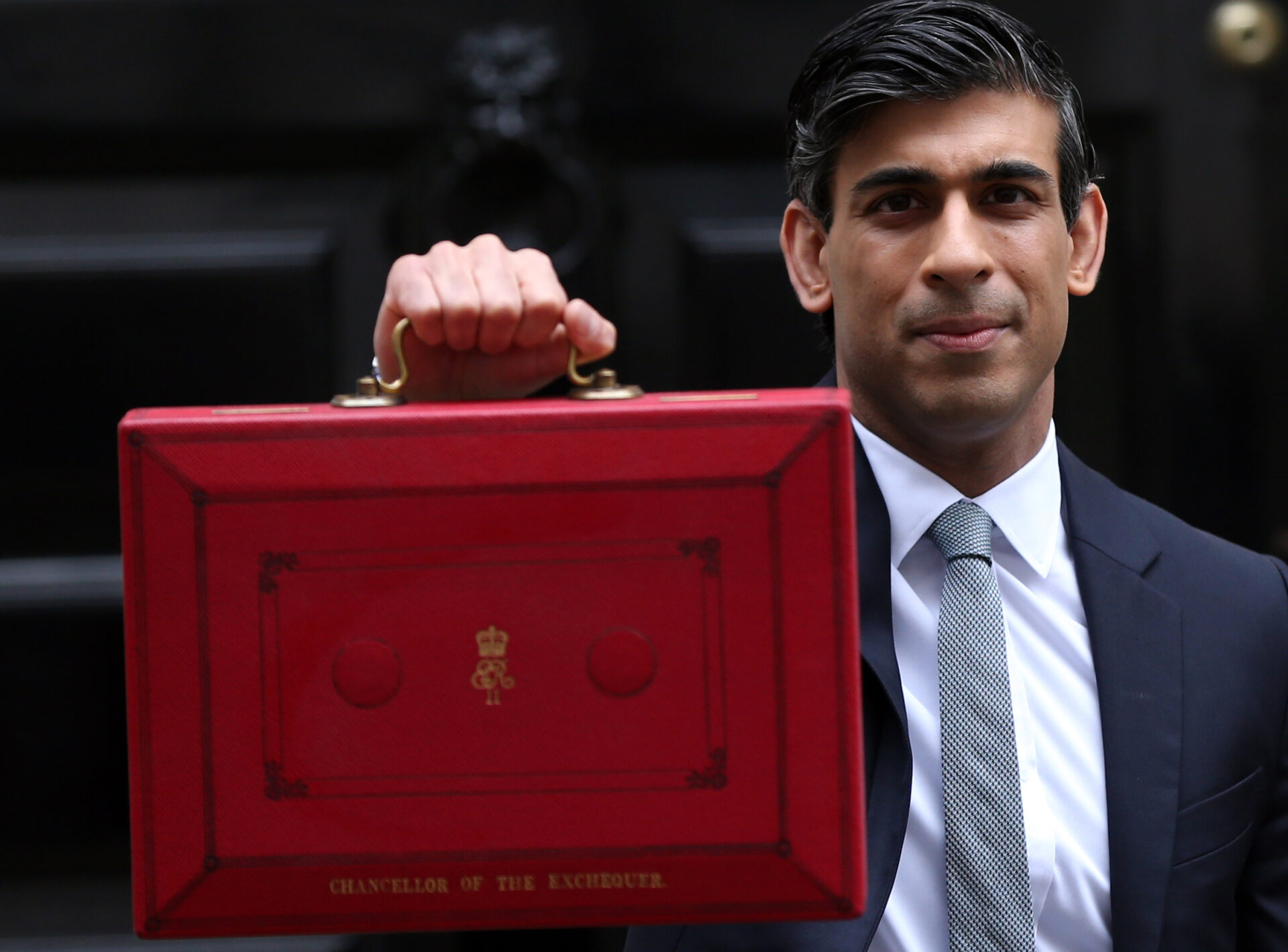
Considering the “interesting” times in which we currently seem to live, today’s Spring Budget announcement was delightfully uninteresting, other than a few tax tweaks and rate changes. Probably the best news will be for motorists paying 5p per litre less for fuel, though there are some other winners too. Our summary below takes you through the main tax changes.
Yours
The Charter Tax team
Alignment of National Insurance and Income Tax Thresholds
Presumably keen to differentiate No 11 Downing Street from No 10, there will be no U-Turn on the 1.25 percentage points increase to National Insurance from April 2022, despite the spiralling cost of fuel and energy prices prompting many calls for this action. However, the Chancellor has sweetened this for working families, by accelerating the planned alignment of the National Insurance and Income Tax thresholds from the end of the parliament to July 2022. Overall, the total National Insurance paid will be lower for approximately 30 million taxpayers, but the actual saving felt in pockets will not be quite as significant as the Chancellor’s hype.
Reduction to the Basic Rate of Income Tax
As part of the Chancellor’s plan for sharing economic growth fairly, he has announced that from April 2024, the basic rate of income tax on savings and non-savings income will be reducing from 20% to 19%. There is no apparent equivalent reduction to the basic rate of tax on dividends, which from April 2022 is being increased by 1.25 percentage points to 8.75%. This will be particularly relevant to owner-shareholders when considering the best method for extracting profits.
Reform to Allowances and Exemptions
Although no consultation documents have yet been published, the Chancellor has announced that there will be a review of tax reliefs and allowances, to ensure that the tax system is fair and consistent for all taxpayers. Whilst there is nothing specific at this current time, we will continue to keep abreast of any developments in the area and provide further updates as the specific reliefs and allowances under consideration become clear.
Employment Allowance
The Employment Allowance has been in existence since April 2014, and provides a reduction to employer’s National Insurance costs for many companies, although there are exclusions to be aware of, including payroll schemes where a Director is the sole paid employee. It can also only be claimed by companies (or groups of connected companies) with employer’s National Insurance contributions below £100,000 in the previous tax year.
For this tax year, the allowance has been £4,000 but the Chancellor announced today that this is set to increase to £5,000 from 6 April 2022, saving eligible employers an additional £1,000 per year.
VAT
The Chancellor was keen to consider it a “Brexit win” that he now doesn’t need EU approval to extend zero rating to the purchase of certain energy saving materials such as a heat pump and insulation, which will now be zero-rated for UK VAT for domestic installations (currently the rate applied is 5%). In addition, the 60% threshold on costings for the project has been removed. The measure will be available for a period of 5 years and will then revert to the 5% reduced rate of VAT.
Corporation Tax and Tax Reliefs for Businesses
Other than the above National Insurance changes, the Chancellor made no new tax announcements directly targeted at businesses that will take effect in the next tax year - although previous announcements were reiterated, such as:
- Annual Investment Allowance will be kept at £1 million until 31 March 2023
- Availability of the Super-Deductions Allowance until 31 March 2023
Generally, though, the government has said that it is planning to look at several areas to improve business productivity, including cutting and reforming taxes on business investment, reviewing whether the current tax and apprenticeship levy system is generous enough to encourage businesses to offer training to employees, and investing further into the R&D system to encourage greater investment.
The Chancellor had previously indicated that cloud and data costs will be brought within the scope of R&D claims in the future, and this has now been confirmed to take effect from April 2023. Although he is keen to focus R&D credits on innovation carried out in the UK, there will be certain cases where expenditure on overseas R&D activities will still qualify, such as where regulatory or legal requirements means that activities must take place overseas, or where certain conditions are required that are not present in the UK. Pure mathematics will also be added to the definition of a qualifying costs. The government will also be considering increasing the generosity of R&D credits in future, to boost further investment.
We expect consultation documents to be published in due course, but there are suggestions that the government will be considering changes to Capital Allowances, such as increasing the permanent Annual Investment Allowance once the temporary increase has expired, increasing writing down allowances or reintroducing First Year Allowances for plant and machinery expenditure. They will also be reviewing Company Share Option Plans (CSOPs) to help companies recruit and retain their talented staff.
Although nothing to get too excited about at the moment, watch this space for further announcements as consultation documents are published.
CHARTER TAX CONSULTING LIMITED
11 ST JAMES'S PLACE
LONDON
SW1A 1NP
advice@charter-tax.com
23 March 2022